The information on this website is general in nature and does not take into account your objectives, financial situation, or needs. Consider seeking personal advice from a licensed adviser before acting on any information.
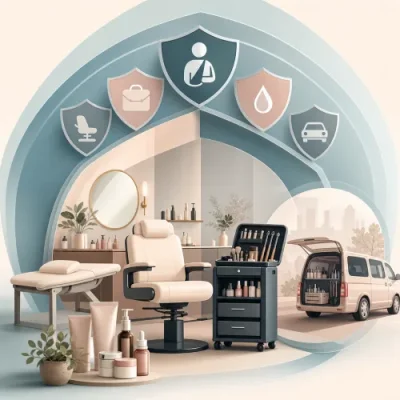
Beauticians, beauty therapists, salon owners and mobile beauty professionals can face different business risks. This guide explains common insurance cover types in Australia and how they may apply to different beauty business models.
Business insurance for beauticians can involve more than one type of cover. A sole trader offering brow treatments from a rented room may have different risks from a salon owner with staff, stock, equipment and a shopfront lease. A mobile beauty therapist may need to think about equipment in transit, client visits and vehicle use.
This guide explains common insurance cover types that may be relevant for beauticians, beauty therapists and salon owners in Australia. It is general information only, not personal financial advice. The cover you need, policy availability, exclusions and premiums will depend on your business activities, location, turnover, claims history and the insurer's criteria.
For a broader overview of the site's insurance offering, you can also visit Beauticians Insurance Online.
Why beauticians may need several types of business insurance
Beauty work often involves close physical contact, products applied to skin or hair, specialist equipment and professional judgement. Even with careful hygiene, consultation and training, unexpected incidents can happen.
Common risks for beauty businesses can include:
- a client slipping, tripping or being injured at your premises;
- a reaction, burn, cut or other alleged injury connected with a treatment;
- damage to a client's property while you are providing services;
- loss, theft or damage to equipment, furniture, stock or fit-out;
- interruption to trading after an insured event;
- claims connected with beauty products you sell or recommend;
- staff injuries, employment-related obligations or cyber incidents, depending on how your business operates.
No single policy automatically covers every risk. Many beauty businesses use a package of covers, sometimes arranged under a business insurance policy with optional sections.
Common insurance cover types for beauticians
The following cover types are commonly considered by beauty professionals in Australia. The names, scope and exclusions can vary between insurers, so it is important to read the Product Disclosure Statement and policy wording before deciding whether a policy is appropriate.
| Cover type |
What it generally relates to |
Who may consider it |
| Public liability insurance |
Claims by third parties for injury or property damage connected with your business activities. |
Salon owners, home-based beauticians, mobile therapists, contractors and market or event operators. |
| Professional indemnity or treatment liability |
Allegations that professional advice, treatment or services caused loss, injury or harm. |
Beauticians providing treatments such as waxing, skin services, cosmetic tattooing, lashes, brows or advanced beauty services. |
| Products liability insurance |
Claims connected with products supplied, sold or sometimes used by the business. |
Salons and therapists selling skincare, cosmetics, hair products or aftercare products. |
| Contents and equipment insurance |
Loss or damage to business contents, tools, furniture, machines and stock from insured events. |
Salon owners, rented-room operators and mobile beauticians with tools or portable equipment. |
| Business interruption insurance |
Loss of income or increased costs after certain insured events interrupt trading. |
Businesses that rely on a physical salon, treatment room or specialist equipment to operate. |
| Commercial property or glass cover |
Damage to owned business premises, tenant improvements, signs, windows or glass where insured. |
Salon owners, commercial tenants and businesses with a shopfront. |
| Cyber insurance |
Costs and liabilities arising from certain cyber incidents, depending on the policy. |
Beauty businesses that store client records, take online bookings or accept digital payments. |
| Workers compensation |
Work-related injury or illness obligations for employees, subject to state and territory rules. |
Salon owners and beauty businesses with employees. |
Public liability insurance for beauticians
Public liability insurance is one of the most commonly discussed forms of beautician liability insurance. It generally relates to claims made by third parties, such as clients, visitors, landlords or members of the public, for personal injury or property damage connected with your business.
Examples might include a client tripping over equipment in a treatment room, a visitor slipping on a wet salon floor, or accidental damage to a client's belongings during an appointment. Whether a claim is covered depends on the facts, policy terms, exclusions and insurer assessment.
Public liability may be particularly relevant if you:
- operate from a salon, clinic, rented room or home studio;
- visit clients at their homes, workplaces, hotels or events;
- attend markets, expos, pop-ups or wedding venues;
- lease premises where the landlord requires evidence of cover;
- use tools, equipment, liquids, wax, oils or electrical devices around clients.
For a deeper explanation of liability risks, see A Guide to Liability Coverage for Beauty Professionals.
Professional indemnity, treatment liability and beauty services
Public liability does not necessarily cover every issue arising from the professional service you provide. Beauticians often need to understand whether their policy includes professional indemnity, treatment liability, malpractice-style cover or a beauty-specific liability extension.
These covers may respond to allegations that your professional advice, treatment technique, service recommendation or failure to take appropriate care caused injury, loss or damage. The exact wording matters, particularly for beauty treatments that involve chemicals, heat, skin penetration, adhesives, tinting, peels, cosmetic tattooing or other higher-risk services.
Important questions to ask include:
- Are all of my treatments listed or accepted under the policy?
- Are there exclusions for advanced skin treatments, injectables, cosmetic tattooing or devices?
- Does the policy require particular qualifications, licences, consent forms or patch tests?
- Are contractors, employees and trainees covered, or do they need their own insurance?
- Does the policy cover alleged injury arising from both treatment and advice?
If you add new services, change products or invest in new equipment, review your policy before offering the treatment to clients. An activity that is common in the beauty industry is not automatically covered by every insurer.
Products liability for skincare, cosmetics and aftercare items
Many beauty businesses sell or supply products such as skincare, haircare, cosmetics, tanning products, lash products or aftercare kits. Products liability insurance generally relates to claims that a product caused injury or property damage.
This can be relevant even if you did not manufacture the product. Depending on the circumstances, a retailer, distributor, importer or business applying a product as part of a service could still become involved in a complaint or claim.
Beauty businesses that retail products should keep supplier records, batch information where available, client notes, instructions for use and safety information. Insurers may also ask about whether you import products, relabel products, create your own formulations or sell online.
Contents, equipment and stock insurance
Beauty businesses often rely on specialised tools and stock: treatment beds, salon chairs, mirrors, trolleys, steamers, lasers or IPL equipment where applicable, waxing units, nail equipment, hair tools, towels, skincare stock and point-of-sale devices. Replacing these items after a fire, storm, theft or other insured event can be costly and disruptive.
Contents insurance for beauty salon insurance may cover insured business contents, equipment, furniture and stock at the premises. Optional or separate portable equipment cover may be needed for items taken away from the salon, such as a mobile therapist's kit.
When estimating your sum insured, consider:
- the replacement cost of equipment, not just its second-hand value;
- stock levels during busy periods;
- furniture, reception items, shelving and storage;
- laundry equipment, towels, linen and consumables;
- portable items kept in a vehicle or taken to client appointments;
- leased or financed equipment you are responsible for insuring.
For more detail on protecting salon contents, read The Importance of Contents Insurance for Hair and Beauty Salons.
Business interruption insurance
Business interruption insurance is designed to help with certain financial consequences if your business cannot trade normally after an insured event, such as damage to insured premises or contents. It may help with loss of gross profit, ongoing expenses or increased costs of working, depending on the policy.
For a beauty salon, interruption may be more than a temporary inconvenience. If your treatment rooms, water supply, electrical systems, equipment or stock are damaged, you may need time to repair the premises, replace tools, contact clients and reschedule bookings.
Key points to check include:
- what insured events can trigger cover;
- the waiting period or excess that applies;
- the indemnity period, meaning how long the policy may respond;
- whether payroll, rent, loan repayments or relocation costs are treated in the way you expect;
- whether your financial records are sufficient to support a claim.
Business interruption cover is often linked to property damage insurance, so it should be reviewed as part of your overall salon insurance coverage.
Property, glass, theft and money cover
If you own your salon premises, you may need commercial property insurance for the building. If you lease, the landlord may insure the building, but you may still be responsible for your fit-out, signage, glass, internal fixtures or damage you cause under the lease.
Glass cover may be relevant for shopfronts, mirrors, display cabinets or internal glass. Theft cover may apply to stolen insured contents following forcible entry or other defined circumstances. Money cover may be relevant if your business keeps cash on site or in transit, although many salons now rely heavily on electronic payments.
Lease obligations can be important. Some commercial leases specify minimum public liability limits, glass responsibilities or requirements to insure tenant improvements. If you are unsure how your lease affects your insurance needs, consider seeking professional guidance.
Insurance for mobile beauticians
Mobile beautician insurance needs can differ from fixed-location salon cover. A mobile therapist may work in private homes, hotels, aged-care settings, bridal venues, workplaces or events. This can introduce risks around travel, portable equipment, client environments and varying site conditions.
Mobile beauty professionals may need to consider:
- whether public liability applies away from a fixed business address;
- whether treatment liability applies at client locations;
- cover for tools, machines and stock while in transit or temporarily stored;
- whether a private motor policy allows business use of the vehicle;
- procedures for hygiene, waste disposal, ventilation, pets, children and trip hazards in client homes;
- record keeping, client consent and pre-treatment consultation processes.
Do not assume a standard salon policy automatically covers mobile work. Tell the insurer or broker how and where you actually operate.
Home-based beauty businesses
Home-based beauticians should be careful not to rely on personal home and contents insurance without checking the policy. Many domestic policies exclude or restrict business activities, business visitors, tools, stock or liability connected with paid services.
If you operate from home, ask whether your business activities affect your home insurance and whether you need separate business insurance. You may also need to consider local council requirements, hygiene rules, treatment room setup, signage, parking and client access. These issues can vary depending on your location and the services you provide.
Workers compensation, personal accident and income protection
If you employ staff, workers compensation requirements are generally governed by state and territory schemes. Obligations can depend on where you operate, who you employ, wages and the nature of the working arrangement. Contractors and sole traders can involve different considerations, so it is important to check the rules that apply to your business.
Workers compensation is different from personal accident or income protection insurance. Personal accident or income protection may be considered by sole traders or business owners who want to think about their own ability to earn income if they become injured or ill. These policies have their own eligibility criteria, waiting periods, benefit periods, exclusions and underwriting requirements.
Cyber insurance and client data
Beauty businesses increasingly use online booking systems, cloud-based point-of-sale platforms, digital intake forms, email marketing and social media messaging. These tools can create cyber and privacy-related risks.
Cyber insurance may help with certain costs following a cyber incident, such as data recovery, business interruption, notification costs or liability claims, depending on the policy. It is not a substitute for good cyber hygiene, such as strong passwords, restricted staff access, secure payment systems, software updates and careful handling of client information.
How to match insurance to your beauty business model
The right mix of insurance for beauty businesses depends on how the business operates. Rather than starting with a generic checklist, map your actual activities and assets.
| Business model |
Insurance considerations to review |
| Sole trader renting a treatment room |
Public liability, treatment liability, contents or portable equipment, lease or room-hire requirements, professional qualifications. |
| Salon owner with staff |
Public liability, treatment liability, contents, stock, business interruption, glass, workers compensation, cyber, employment-related risks. |
| Mobile beautician |
Public liability away from premises, portable equipment, vehicle business use, treatment liability, stock in transit, client home risk procedures. |
| Home-based beauty business |
Business liability, treatment liability, business contents, impact on home insurance, council or property requirements. |
| Salon selling retail products |
Products liability, stock cover, supplier records, online sales risks, imported or private-label product exposure. |
Questions to ask before choosing salon insurance coverage
Before choosing or renewing business insurance for beauticians, consider asking the insurer or broker:
- Which treatments are covered, restricted or excluded?
- Are new treatments automatically covered, or must they be disclosed first?
- Are employees, contractors, trainees and room renters covered?
- Does cover apply at all business locations, including mobile visits and events?
- Are products sold or supplied to clients covered?
- What equipment, stock and fit-out items are insured?
- Are portable tools covered in transit, in a vehicle or overnight?
- What excesses, waiting periods, limits and sub-limits apply?
- What records must be kept for treatments, patch tests, consent forms and incidents?
- What claims examples are not covered under the policy wording?
If you want help understanding available options, you can use the site's Brokers page as a starting point for general guidance. Any insurance decision should be based on your own circumstances and the relevant policy documents.
When to review your beauty business insurance
Insurance should not be treated as a one-time task. Review your cover when your business changes, not just at renewal.
Common review triggers include:
- adding new treatments, devices or product lines;
- moving premises or opening another location;
- starting mobile services or event work;
- hiring staff, contractors or trainees;
- increasing stock, equipment or fit-out value;
- selling products online or importing products;
- renegotiating a lease or room-hire agreement;
- changing business structure, ownership or turnover.
Keeping your insurer informed of material changes can reduce the risk of gaps between what your business does and what your policy covers.
Key takeaway
Beauticians in Australia commonly consider a combination of public liability, treatment or professional indemnity-style cover, products liability, contents and equipment insurance, business interruption and other covers relevant to their business model. Salon owners, mobile therapists, home-based operators and sole traders may all have different insurance needs.
The most useful starting point is to list your services, locations, equipment, stock, staff arrangements and contractual obligations. Then compare those details with the policy wording, exclusions, limits and insurer requirements before deciding what cover is appropriate for your beauty business.
Published: Monday, 31st Aug 2026
Author: Paige Estritori



No comments yet. Be the first to share your thoughts.